
Winter Cluster Meeting 2026
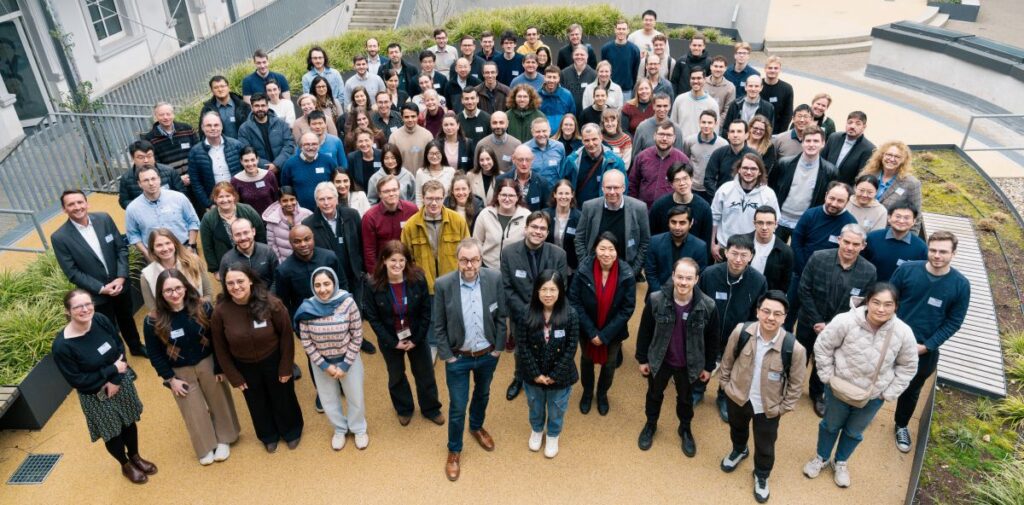
A few weeks ago, members of our Cluster gathered in Karlsruhe for our annaul Winter Cluster Meeting, which marked the first in-person meeting of our second funding period. This event was an important opportunity to reconnect, exchange ideas, and set the tone for the years ahead. Christine Selhuber-Unkel and Martin Wegener opened the meeting with […]
Recap 3DMM2O Conference 2026
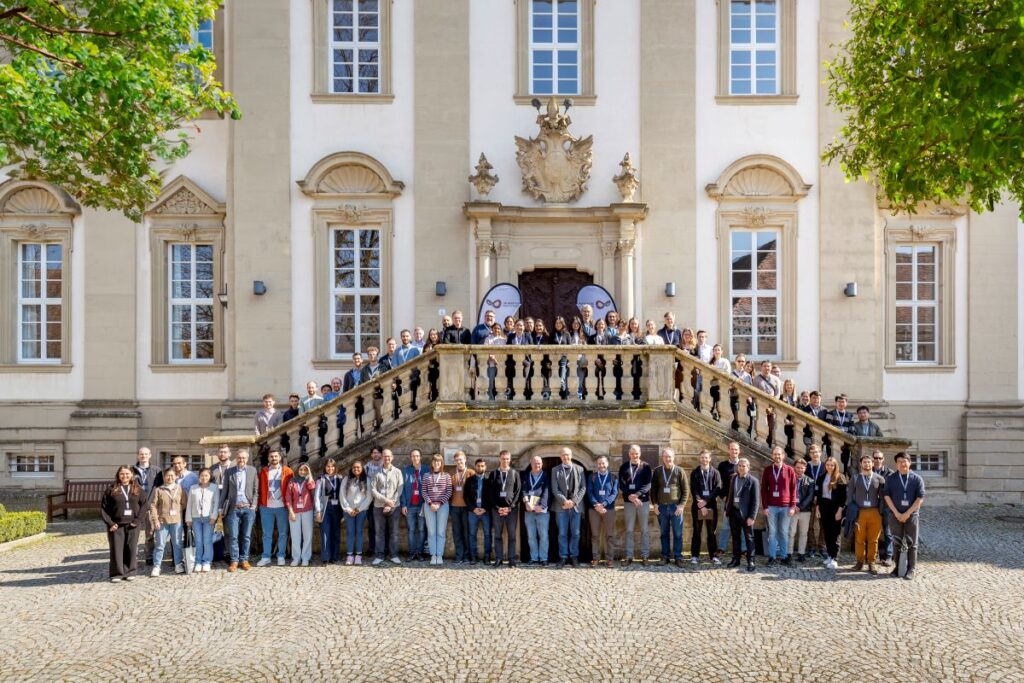
The 3DMM2O Conference 2026 brought researchers together at Schöntal Monastery for three days of discussions about the future of 3D additive manufacturing. The event focused on the intersection of theory, computation, and design in advanced 3D materials. Participants explored topics such as metamaterials, advanced fabrication techniques, machine learning, simulation, and bio-inspired systems. Through keynotes, contributed […]
Obituary
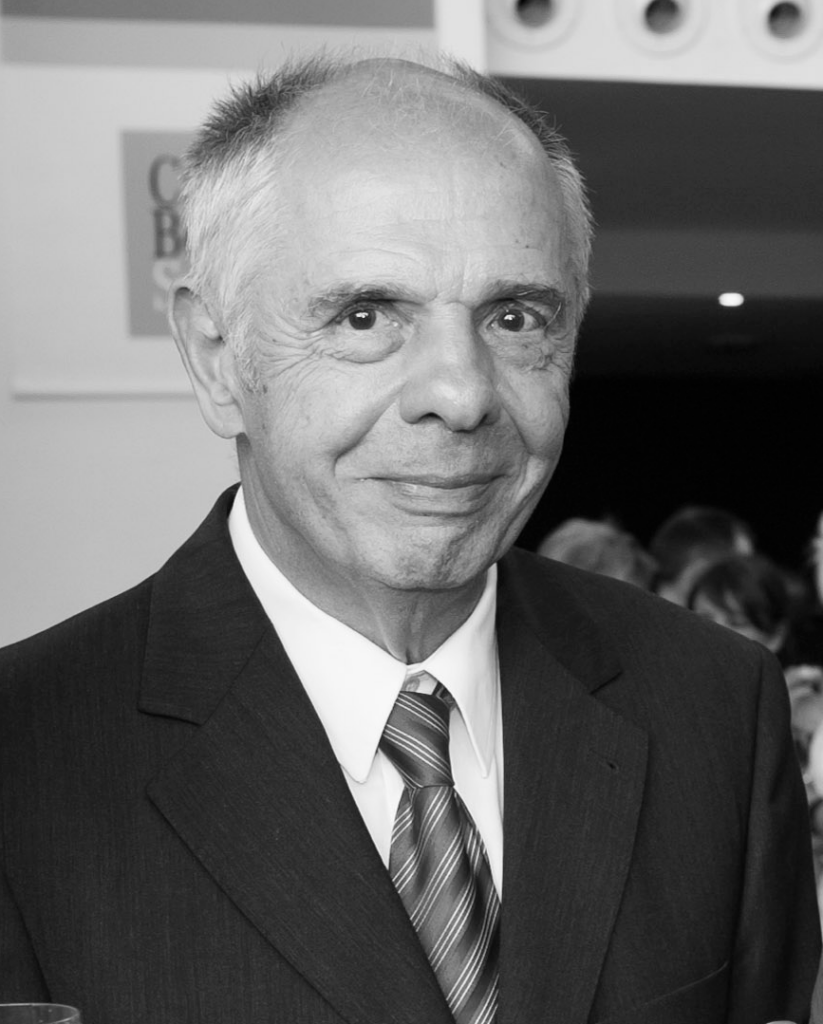
We remember Prof. em. Dr.-Ing. Hartmut Weule, a distinguished engineering scientist who uniquely bridged academia and industry. Born on October 1, 1940, he studied mechanical engineering at the Technical University of Braunschweig, earning his doctorate with distinction in 1972. Following his early innovations at Daimler-Benz, he became a professor at the University of Karlsruhe, where […]
KIT and Heidelberg University Retain Status as Universities of Excellence

The Karlsruhe Institute of Technology (KIT) and Heidelberg University successfully defended their status as Universities of Excellence in Germany’s Excellence Strategy. The decision, announced on March 11, 2026, confirms that both institutions will receive funding for another seven years, beginning in 2027. The Excellence Strategy aims to strengthen Germany’s position as a leading international research […]
Photoinitiator Design for Two-Step 3D Laser Nanoprinting
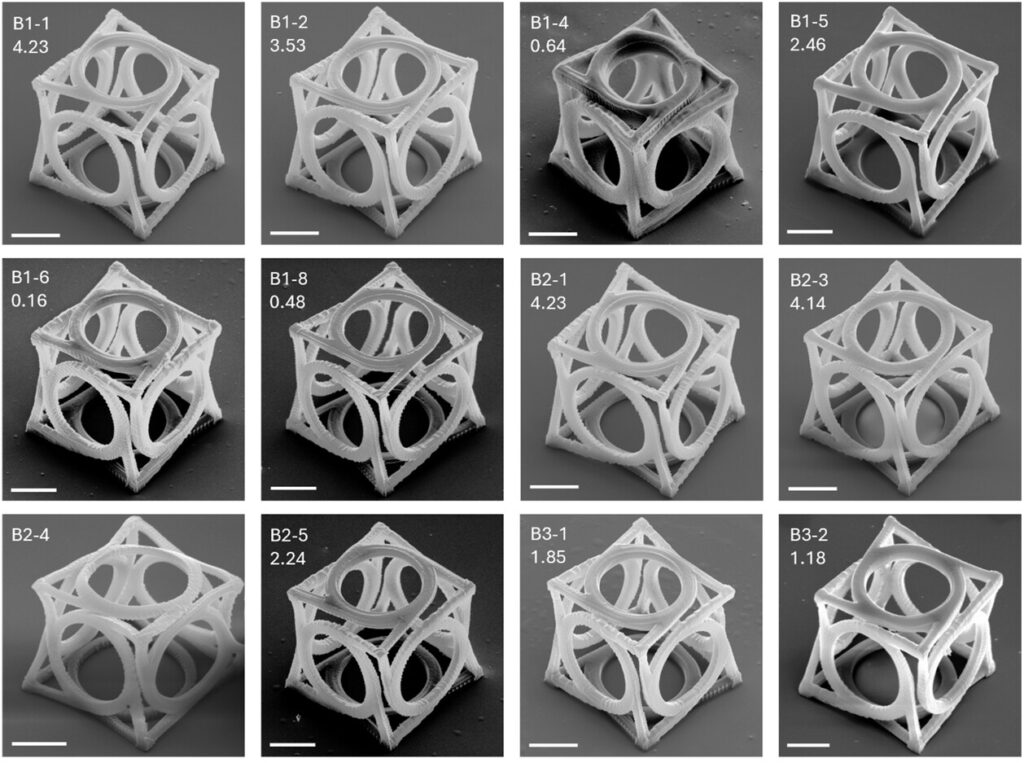
In this study, including Cluster Postdoctoral Researcher Aleksandra Vranic, Doctoral Researcher Jonathan L. G. Schneider, Principal Investigators Martin Wegener and Stefan Bräse, and Cluster Alumnus Pascal Rietz, a systematic investigation of new photoinitiators for two-step absorption–based 3D laser nanoprinting is presented. The authors synthesized 23 benzil-based (1,2-diketone) molecules and evaluated their solubility, printability, and required […]
New Explain Like I’m Five video: Could Light Be the Future of Computing?
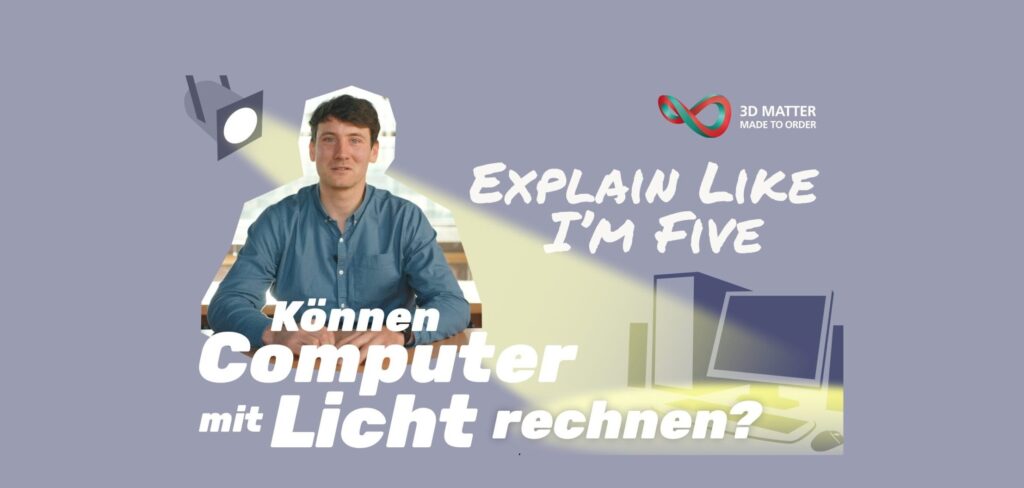
As computers become more powerful, their energy demands increase, motivating research into technologies that could enable faster, more energy-efficient information processing. In the latest episode of our “Explain Like I’m Five” video series, we feature Cluster Doctoral Researcher Erik Jung, who works under the supervision of Principal Investigator Wolfram Pernice at the Universität Heidelberg. In […]
Printed Origami Thermoelectric Generator Achieves Record Power Density
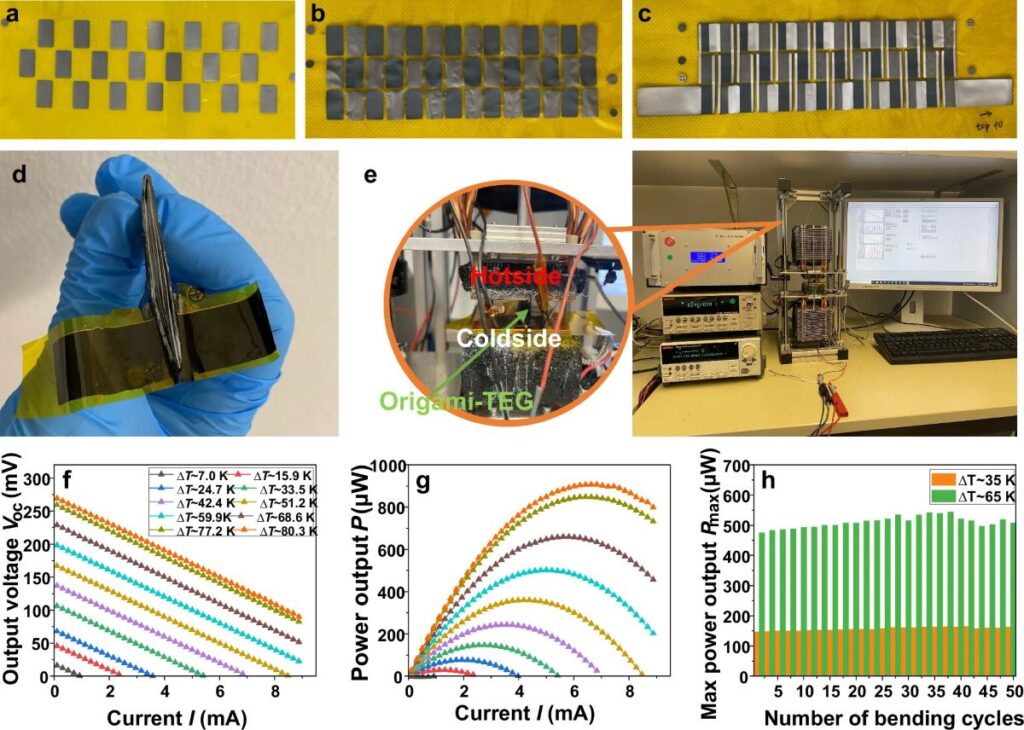
A study published in Nature Communications reports a fully printed origami thermoelectric generator (TEG) with record performance. The study involves Cluster Doctoral Researchers Zirui Wang and Muhammad Irfan Khan, Principal Investigators Yolita M. Eggeler and Uli Lemmer, and Cluster Alumnus Dr. Md Mofasser Mallick. The team developed a flexible, printable thermoelectric material and combined it […]
Second Funding Period Begins
The second funding period of the Cluster of Excellence began on January 1, marking an important new phase for our research activities. To reflect this transition, we have introduced a new research structure that defines our current Research Areas, Sub-Areas, and Projects. The updated website now presents this structure in a clear and accessible way. […]
Announcing the New Class of Fellows at the Marsilius Kolleg
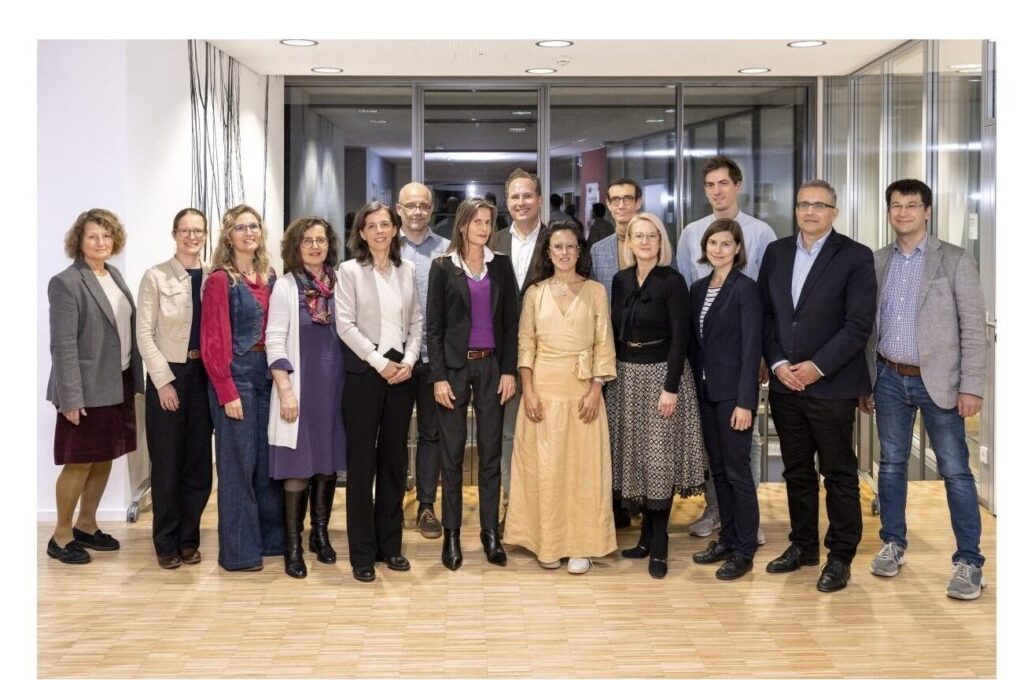
Heidelberg University introduced the new class of fellows for the 2025/2026 academic year at the Marsilius Kolleg. Among the selected researchers is Cluster Principal Investigator Prof. Dr. Christine Selhuber-Unkel, who will contribute her expertise to the program’s interdisciplinary approach. Directed by Prof. Dr. Friederike Nüssel and Cluster Principal Investigator Prof. Dr. Michael Boutros, the Marsilius […]
Registration is open for the 3DMM2O Conference 2026
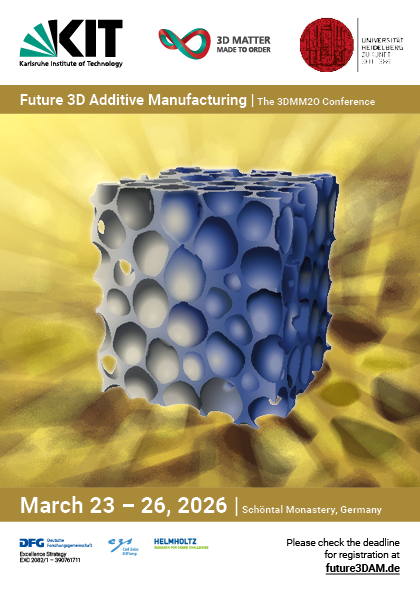
The 3DMM2O Conference 2026 is now open for registration. The event will take place at Schöntal Monastery in Germany from March 23–26. The annual conference is dedicated to exploring the many facets of 3D additive manufacturing. It will highlight advances in the theory, computation, and design of next-generation 3D materials. Researchers and industry professionals are […]